Nature’s motorway service area: why that frothy white flower deserves far more respect

<a href=”http://Image by Jasmin777 from Pixabay
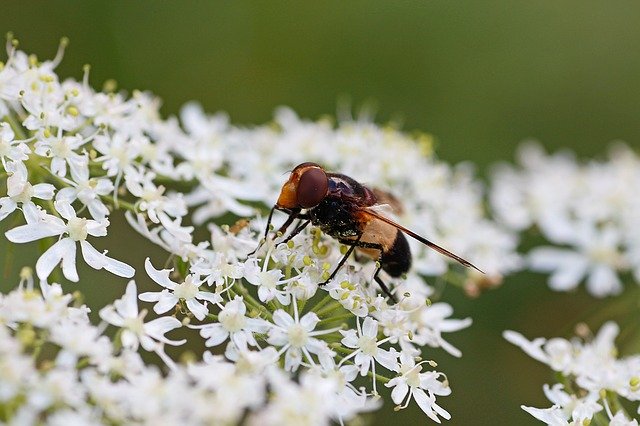
Queen Anne's lace with hoverfly - credit Jasmine 777 Pixabay

I guess you’ll recognise this flower straight away – during late April and May, cow parsley seems to erupt out of nowhere as if nature’s said to hell with the diet and sprayed frothy, whipped cream everywhere. I’m so pleased attitudes towards this underappreciated plant have changed from something local councils strimmed out of existence in the 1970s and 80s, to being left to joyously brighten verges and fields – not to mention being motorway service stations for huge numbers of insects.

So which name do you use? Cow parsley seems to be the usual one, however, I prefer Queen Anne’s lace as it aptly describes the beautifully intricate delicacy of the flowerheads. Each ‘flower’ isn’t really one flower, but hundreds of tiny ones in a cluster resembling an umbrella – it belongs to a group of plants which scientists call umbellifers, coming from the Latin umbella meaning a sunshade or parasol.

Continue reading “Nature’s motorway service area: why that frothy white flower deserves far more respect”
Flower of the day: green alkanet

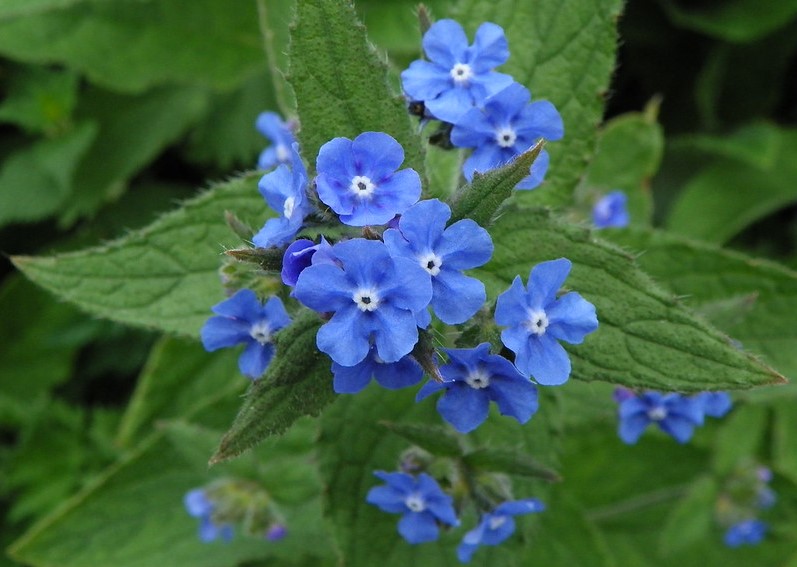
Green Alkanet – credit Pete O’ConnorGreen Alkanet - credit Pete O'Connor Flickr

Yes,  I know what you’re thinking – it’s blue. So why is it called green alkanet? The second part of its scientific, latin, name (Pentaglottis sempervirens) means ‘always alive’ or evergreen, possibly because the leaves start to appear in late winter or early spring, adding a splash of green to the last grey tendrils of winter. Plus the plant hangs around until well into the summer, so quite a while even though it’s not technically evergreen. Another common name for this flower is ‘evergreen alkanet’.

It’s a cousin of the forget-me-not, borage and comfrey and is a very good food plant for bumblebees, some solitary bees, hoverflies, orange tip butterflies, and the caterpillars of the scarlet tiger moth. It likes growing along walls and buildings so it’s quite common to find it in urban areas where it escaped from gardens hundreds of years ago. It’s hardy, easy to grow and is hardly touched by pests or diseases so it’s great addition to your wildlife patch in the garden – just don’t let it take over as it spreads by runners as well as seeds. Its tap root is long so it’s best to dig up any excess plants to keep it under control.

Continue reading “Flower of the day: green alkanet”

English v Spanish bluebells: Spot the difference!

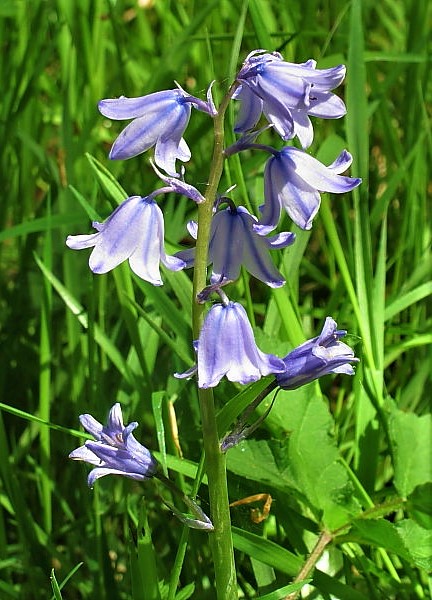
Spanish v English: the native, English bluebell is on the right, and the Spanish one on the left

The bluebell wood is a phenomenon particular to Britain – believe it or not, 80% of all the world’s bluebell woods are found in the UK! The sight of the glorious violet-bluey haze which carpets many woodlands (especially beech woods) begins in late April and lasts until late-May depending upon where you live. The flowering season starts earlier in Cornwall and gradually spreads up the country with Scotland’s flowers being last to the floral party.

Another bluebell came onto the scene when the Victorians introduced the Spanish bluebell, a close relative of our British one, into their gardens. However, at the beginning of the 20th century, it made the great escape over the garden wall and since then has been popping up in woods, hedgerows, and in roadside verges.

Continue reading “English v Spanish bluebells: Spot the difference!”