Wildlife has fascinated me since I was a small child and I was just 13 when I decided I wanted to work in wildlife conservation. I graduated with a degree in Zoology and have been fortunate to work for some great conservation organisations - The Wildfowl & Wetlands Trust, RSPB, The Conservation Volunteers and Stroud Valleys Project - and with great people who are passionate and hugely knowledgeable about the natural world around us. I moved to Stroud in 1988 and soon realised what a fantastic place it is for seeing natural wonders. I've been walking the valleys and vale of the district ever since.
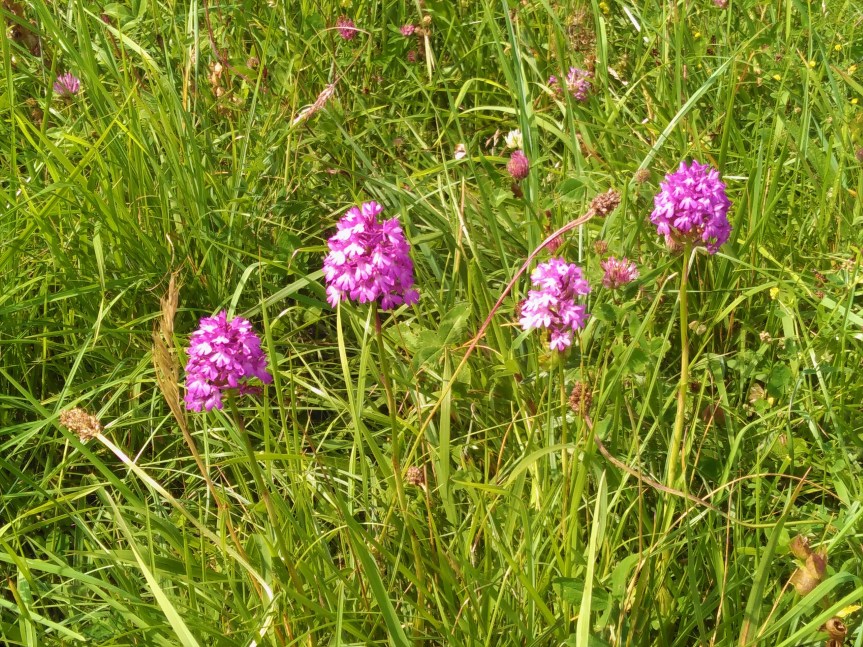
The Stroud district is sooo fortunate in having a wealth of different orchid species growing in lots of places around and about, and in having some that occur in great profusion. There are certain ones which are solitary souls, for example the frog orchid certainly doesn’t copy its namesake as a party animal, but others are real show-offs making everyone a winner in the game of ‘spot the orchid’. The end of June and beginning of July is the last time during the flowering season when you can enjoy one of these spectaculars as the pyramidal orchid livens up grasslands with splashes of its cerise pink flowers.
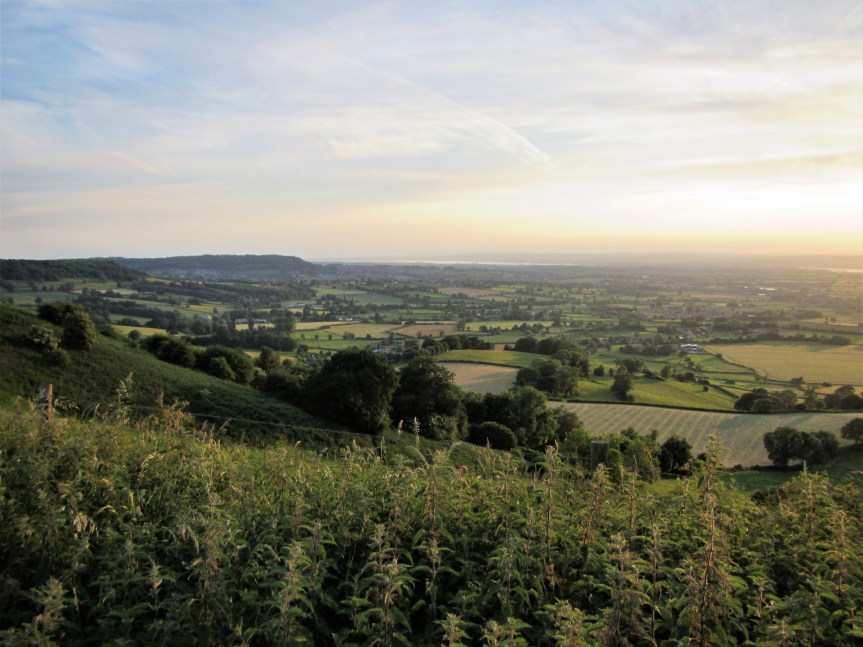
When it’s a warm, sunny day at this time of year, one of my favourite places to go for a picnic and to enjoy being in the great outdoors is Coaley Peak viewpoint. The 180 degree view over the Severn Vale is stunning, there are plenty of interesting wild flowers to admire, lots of space for kids to run around and, if you’ve got young kids who are Harry Potter fans, you can entice them with the idea of visiting the Forbidden Forest, too. It’s also a place where people with restricted mobility, and possibly even those in wheelchairs, could enjoy being outdoors and seeing some wildlife. Add into this mix the ice-cream van that’s usually parked there at weekends during the summer and what else could you ask for?!
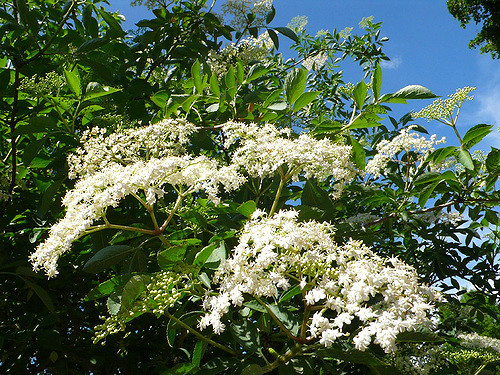
Once the initial explosion of spring flowering has died back and the icing-like cover of white hawthorn flowers has melted from the hedgerows, the next splash of colour comes from the elder tree. The flowerheads are so large, round and flat that they look like giant plates from nature’s best crockery set. In reality, these white blooms are made up of hundreds of tiny flowers and are a magnet for a whole host of insects gorging themselves on the nectar feast they provide.
The elder bush likes growing in disturbed, fertile ground as do nettles which is why picking the flowers often involves trampling down a host of these stinging booby-traps first. The elder is a common sight in hedgerows, waste ground or shrubby areas, and flowers for the first two or so weeks of June. It was held in high regard by our ancestors who regarded it as one of the most magically powerful of plants. Perhaps this is the reason why Dumbledore’s wand (well-known to Harry Potter fans) – the most powerful of them all – was the elder wand!
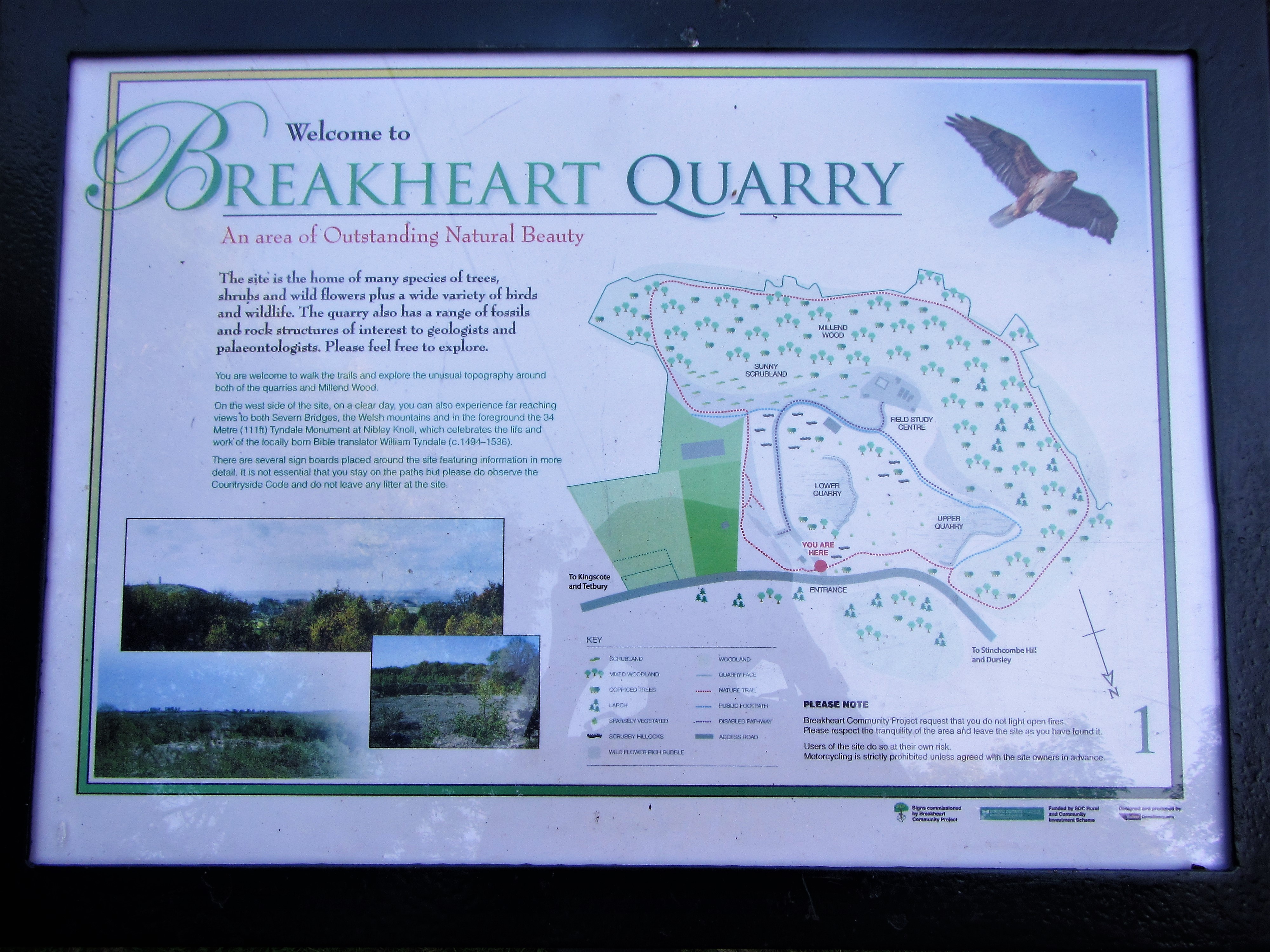
The end of May and beginning of June is a bit of a quiet time with regards to wildlife spectacles. The dawn chorus is still in full swing and, thankfully if you’re not one of those early birds and prefer your cosy bed as I do, so is the dusk chorus albeit not as loud as the crack-of-dawn one. So this hiatus makes it a good time to get to grips with trees – no, not hugging them but seeing and appreciating the different types we have in this country. A great place to go is Breakheart Quarry near Dursley as there’s a fabulous range of trees growing there, it’s very family friendly and the flat footpath circumnavigating the site may even be suitable for people with restricted mobility.
I love visiting the Severn Vale, it’s so different to the character and look of the landscape around Stroud and on the Cotswold escarpment that I feel as if I’ve been in another part of the world for a few hours. Once you’re off the main road, there’s a tranquillity and restfulness that I find so soothing. Last Friday evening strolling around the woodland near Frampton Pools was no different and was enhanced by a glorious sunset over Frampton Court.
Stratford Park must be the jewel in Stroud’s urban wildlife crown. It has a small area of lovely, more ‘wild’ woodland tucked well away from the formal bit of the park and I’d bet a whole pile of money that most people using the leisure centre don’t know of it’s existence. But in May, the woodland floor becomes covered in ‘spring snow’ as the glorious garlic spectacle erupts and, because of the park’s location and footpaths, it’s one of the easiest to reach and enjoy.
Often when people think of orchids, the image of the big ‘n’ blousy type come to mind. That was certainly the picture I’d conjured up when a friend first pointed out a native orchid to me. As she was mad-keen on plants, I think my initial reaction and obvious disappointment crushed her enthusiasm. Ah well, I was only 18 at the time and had yet to learn to appreciate plants and native flowers in general. Now I, too, get as excited as my friend when I see our orchids start to re-appear every spring.
We’re very lucky in Stroud to have so many orchids gracing us with their presence as they’re fussy souls – they need a fungus to associate with their roots or they can’t grow at Continue reading “Not so common orchids on the Common”→
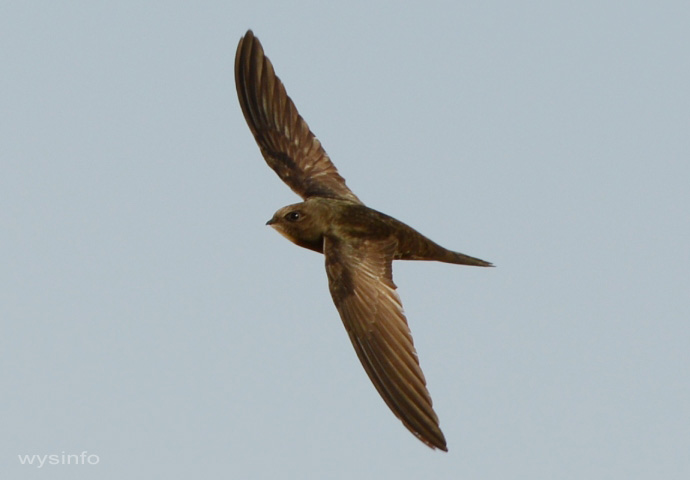
I heard a sound to gladden the heart yesterday – screaming. No, it wasn’t me finding a spider (I have to confess that the long-legged ones make my skin crawl, excuse the pun) but it meant that the swifts have made it back to Stroud for another year. For me, that signals the start of summer despite the grey clouds and cool wind. During my younger years when I lived in the outskirts of York, I never heard this evocative sound as there weren’t any swifts at all. There were oodles of house martins nesting under the eaves of houses all around us, and swallows zipped to and fro, but it wasn’t until I moved to Stroud that I heard this unmistakable sound. This call has given them the nick-name of Jackie Screamers – if anyone knows why ‘jackie’ is used, I’d be interested to know.
Swifts are the last of the ‘hirondelles’ (the name used to describe the swallows, martins and swifts) to arrive and the first to leave at the end of July. They raise their young in a staggeringly short time of 3 months and apart from landing on their nest to feed their young, they stay in the air. Yep, they even mate whilst flying (don’t ask). A swift has been recorded flying at 69.3 mph (111.6km/h), making it the fastest bird to fly horizontally (peregrines fly faster but that’s downwards when they’re hunting prey). Numbers of swifts seem to be declining and it’s thought that loss of nest sites due to building and development is one of the causes, but there seems to be something happening to them whilst in Africa but ecologists aren’t sure what.
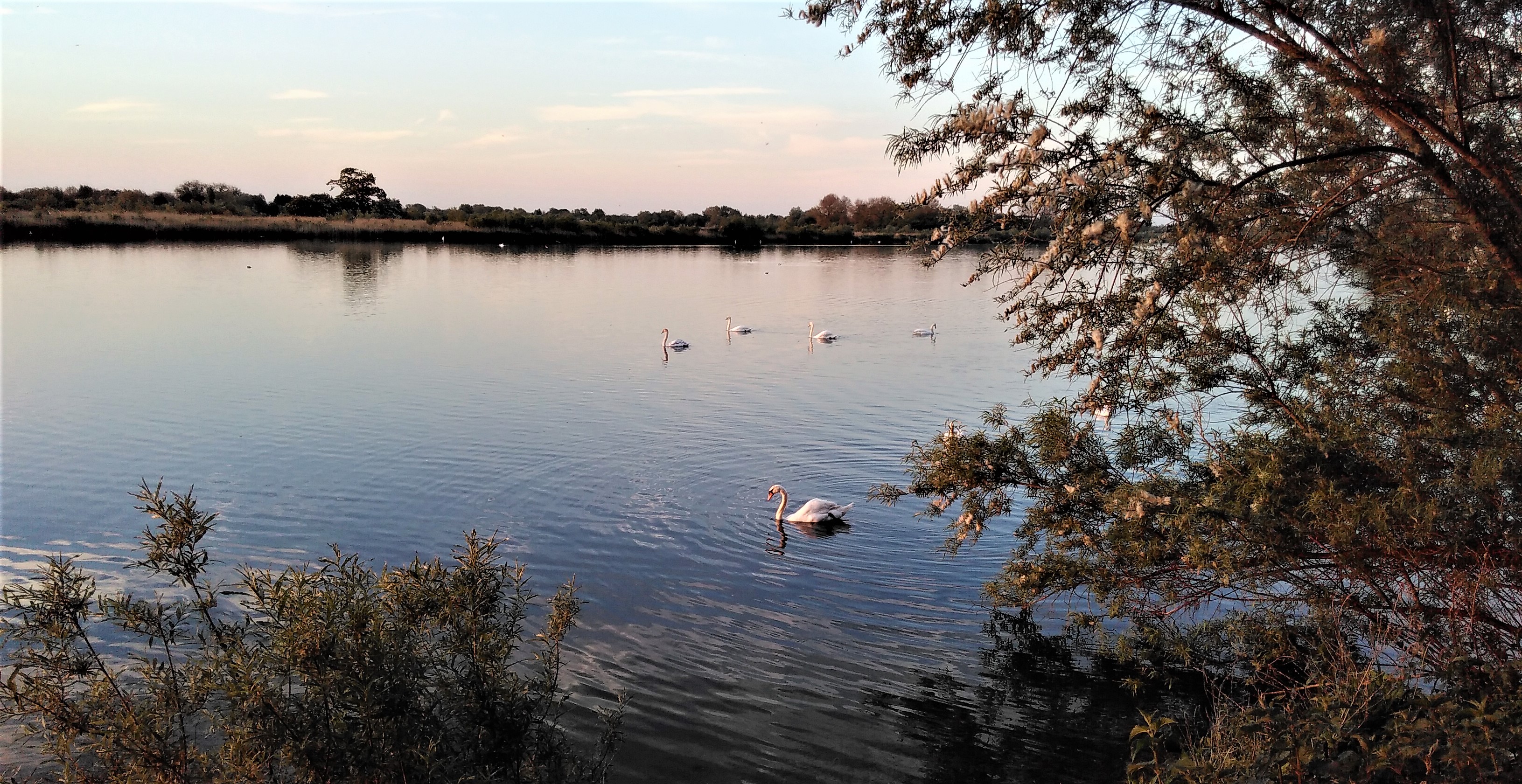
OK, so the Water Park isn’t technically in Stroud district but it’s not far away and Cleveland Lakes near Ashton Keynes are almost a dead-cert for hearing cuckoos. This part of the park is also wonderfully tranquil, beautiful and offers habitat that we have very little of in Stroud’s valleys and vale apart from WWT Slimbridge. Thanks to the large reedbeds, luxuriant hedgerows and ample tree cover, the air was full of bird song when myself and friends walked around it yesterday evening. We’d only walked for a few minutes and were still close to the car park when we heard the cuckoo calling – what a result! It continued its appeal to any passing females all the time we were there.
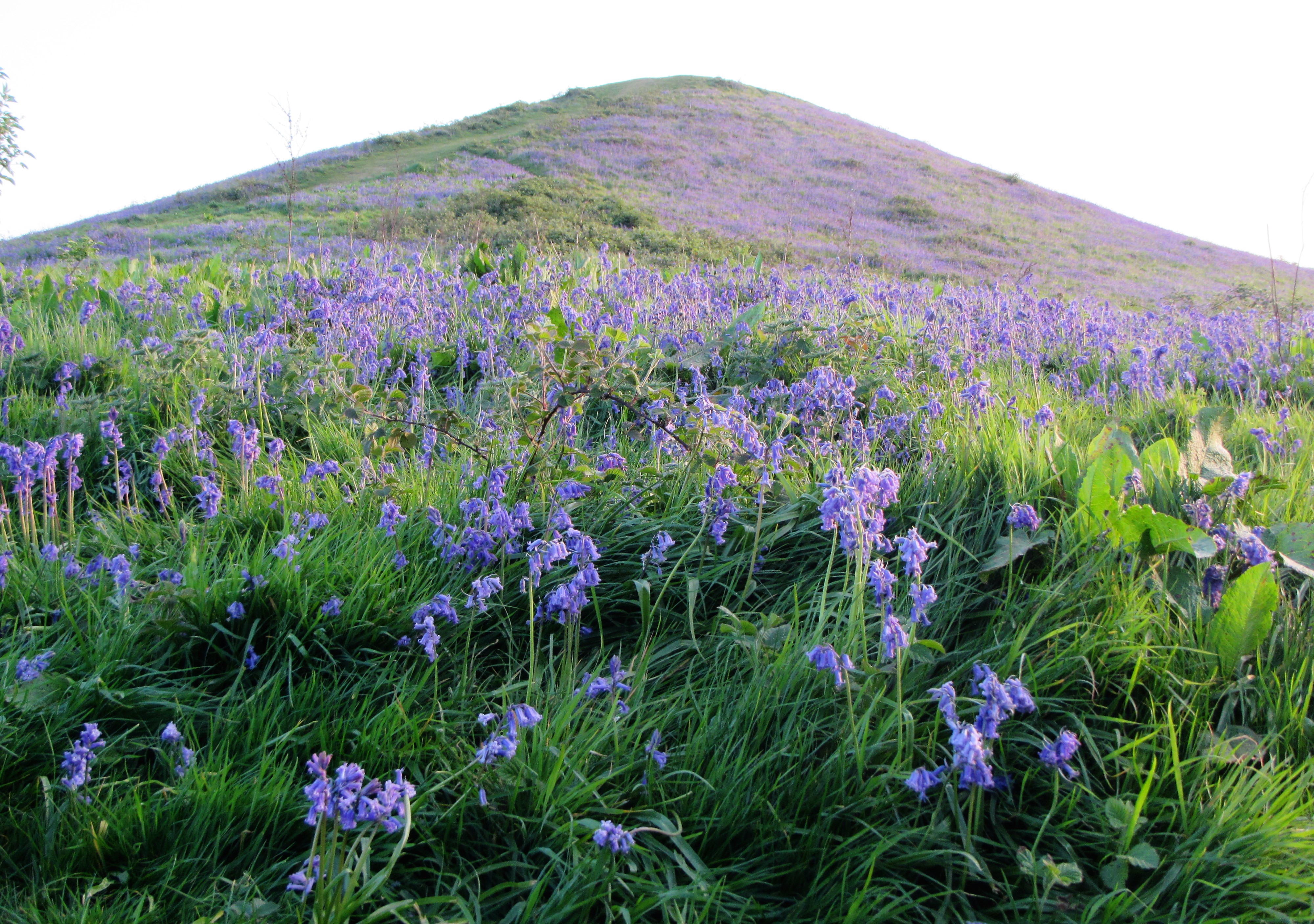
On a beautifully sunny day, it can be hard to tell where the bluebells end and the sky starts when gazing at Cam Peak at this time of year. This hill, which is shaped unlike any other in the district and can be seen from miles around, is cloaked with vivid blue all the way round and is truly worth a visit. Especially as it’s so easy to drive to and to park. Local legend tells the story of the Devil pushing a wheelbarrow of soil through Cam with the intention of using it to block the estuary. The Devil stops to ask a local man how much further is the estuary. The quick-thinking man, realising what the Devil is plotting, says that he still has many miles to walk, so the Devil gives up in frustration and empties the wheelbarrow content on the ground creating Cam Peak.
The Peak nestles against the end of the Long Down, though the two aren’t geologically the same. The Long Down was part of the Cotswold escarpment many thousands of years ago Continue reading “A cloak of Bluebells for Cam Peak”→

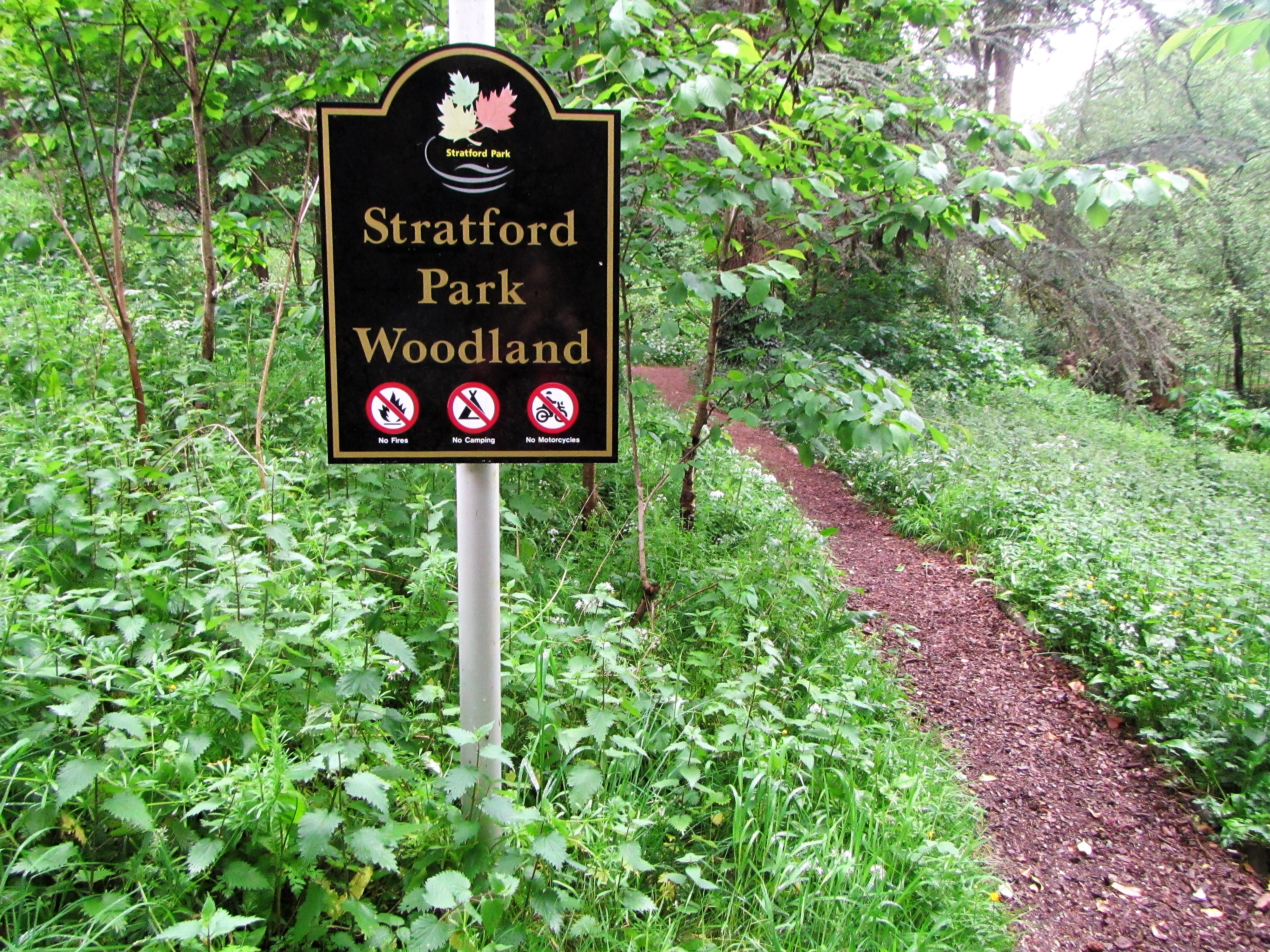 Stratford Park must be the jewel in Stroud’s urban wildlife crown. It has a small area of lovely, more ‘wild’ woodland tucked well away from the formal bit of the park and I’d bet a whole pile of money that most people using the leisure centre don’t know of it’s existence. But in May, the woodland floor becomes covered in ‘spring snow’ as the glorious garlic spectacle erupts and, because of the park’s location and footpaths, it’s one of the easiest to reach and enjoy.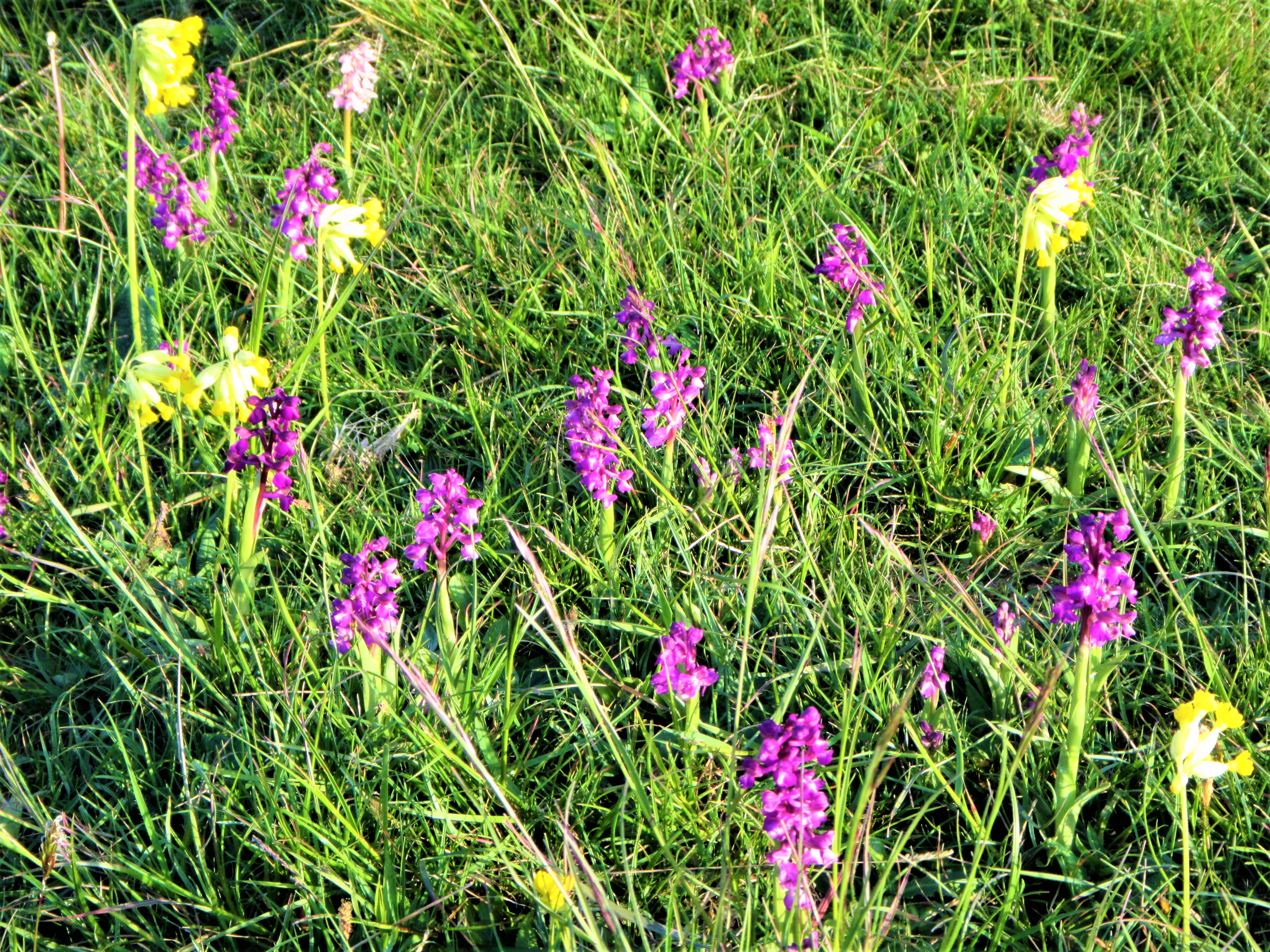
 A Year of discovering Stroud's wildlife